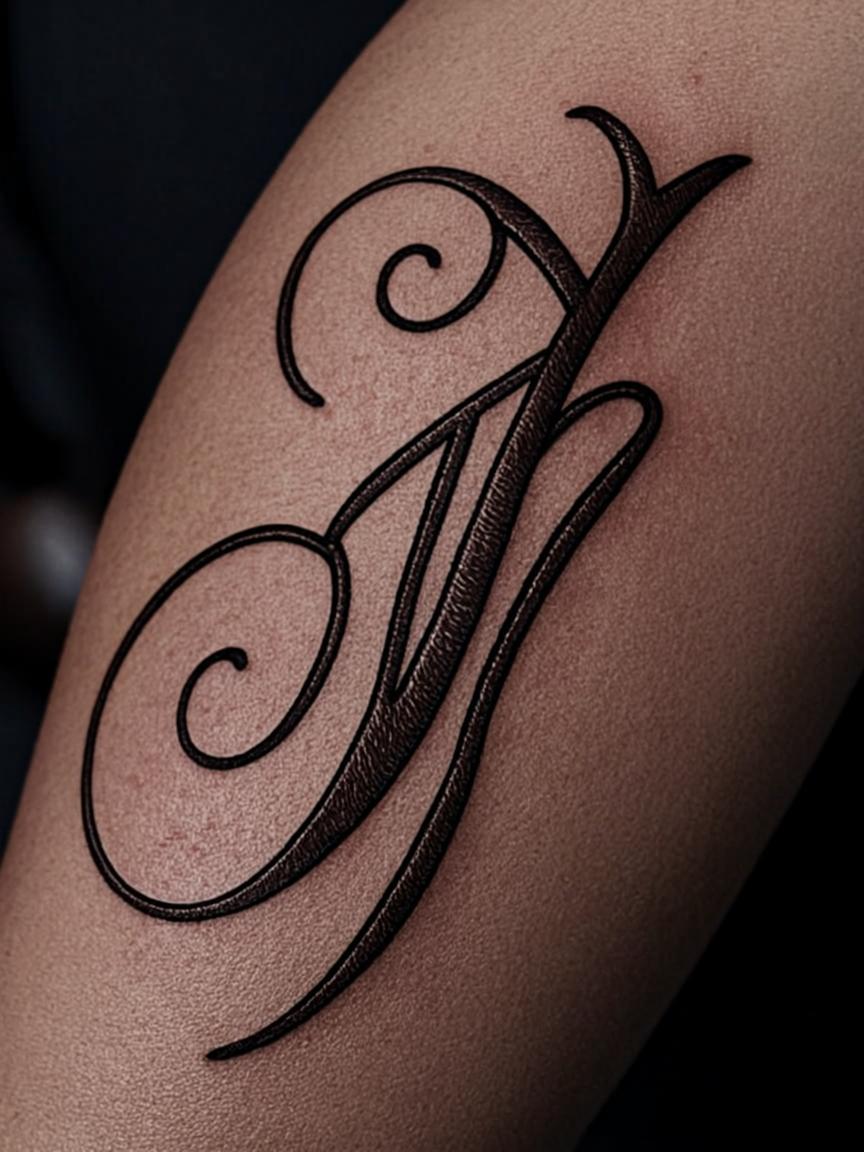
Premium Laser Tattoo Removal

Erase The
Past, Beautifully

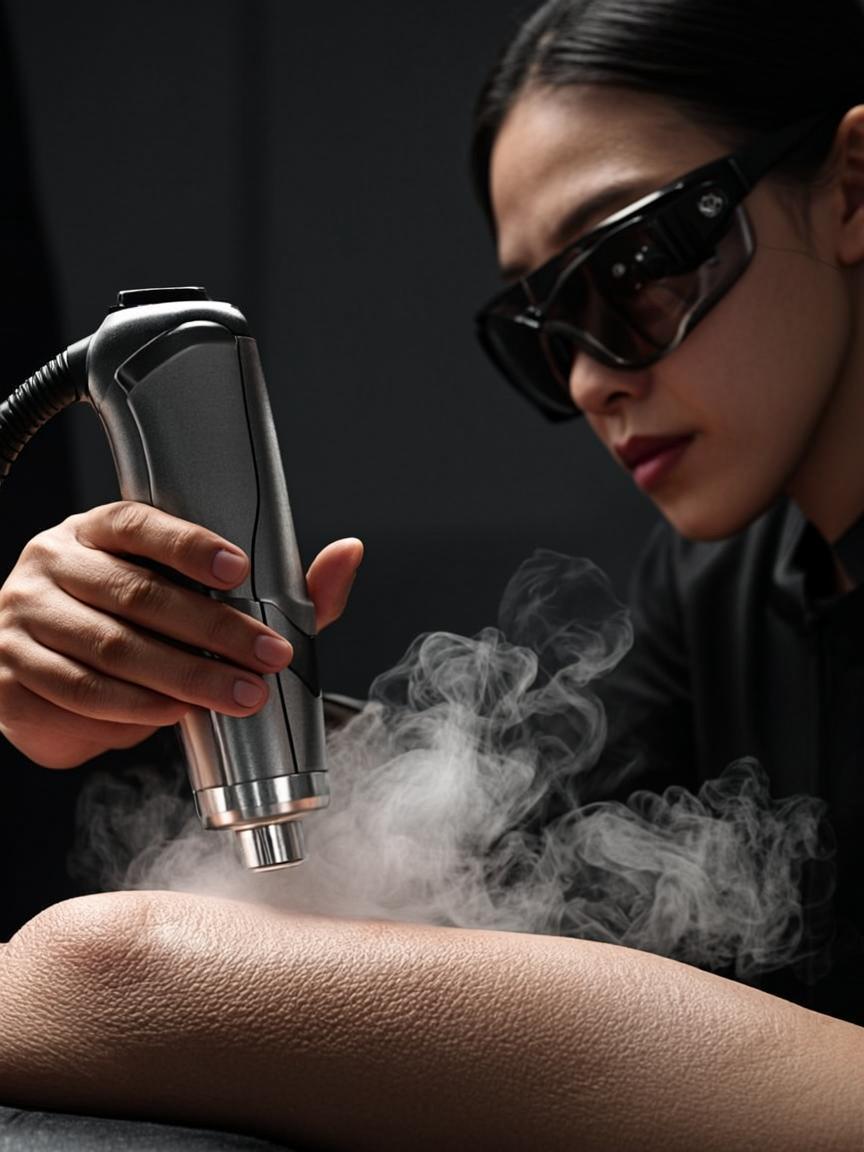
At ZOE Studio, we combine cutting-edge laser technology with an unmatched luxury experience to help you start fresh — safely, effectively, and beautifully.

0
Treatments
0
Satisfaction
0
Years Exp

ZOE Studio Interior
Certified
FDA Approved Tech

Where Science Meets Elegance

Founded with a vision to transform the tattoo removal experience, ZOE Tattoo Removal Studio combines medical-grade precision with the warmth and care of a luxury spa.

Every member of our team is a certified laser specialist with years of experience in dermatological treatments.

Learn More About Us

Tailored Solutions for Every Tattoo

We offer a comprehensive range of tattoo removal treatments designed to address every type of ink, skin tone, and personal goal.

PicoSure Laser Removal

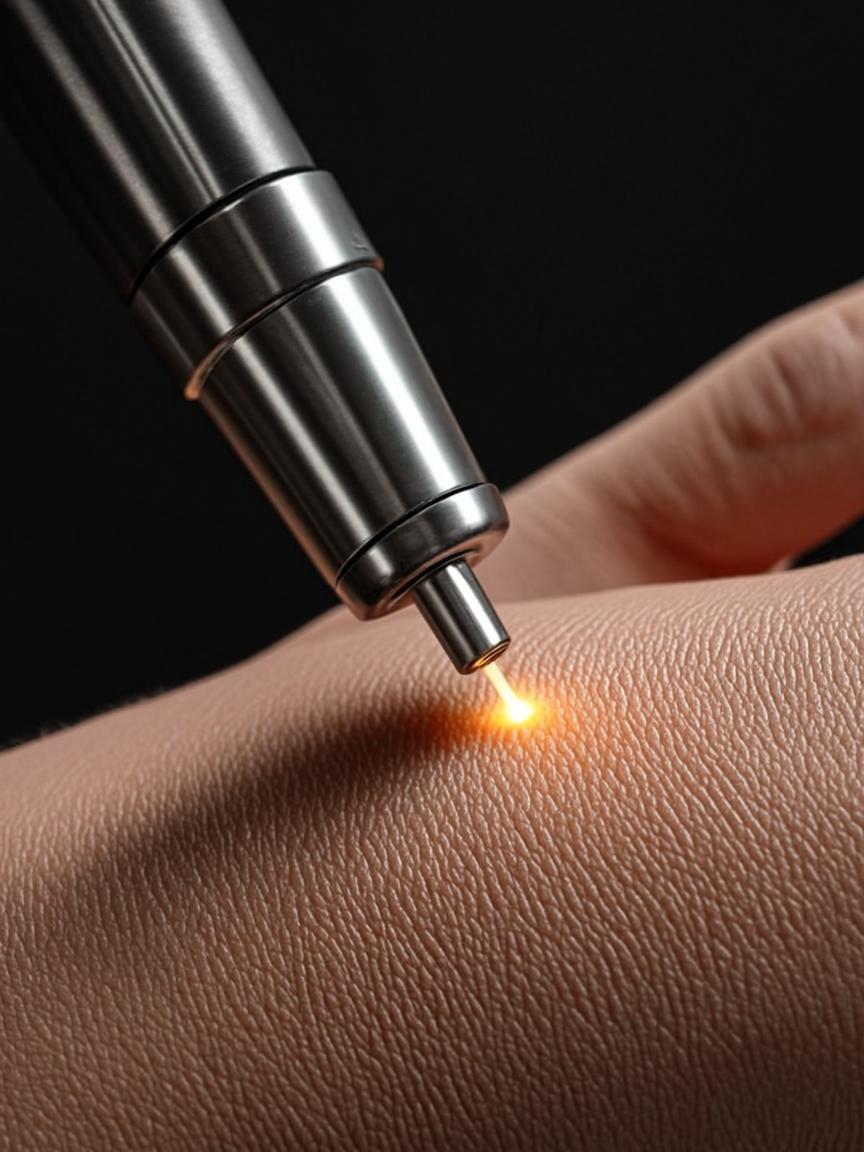
The gold standard in tattoo removal. PicoSure shatters ink particles into tiny fragments for faster clearance with fewer treatments.

All ink colors
Minimal scarring risk
Fewer sessions required

Picosecond + Nanosecond

Our dual-wavelength approach combines pico and nano-second lasers to tackle even the most stubborn multi-colored tattoos.

Multi-color tattoos
Deep ink penetration
Enhanced clearance rate

What Is Tattoo Removal & How Does It Work?

Tattoo removal is the process of eliminating embedded ink particles from the dermis layer of your skin. When you get a tattoo, the needle deposits ink deep beneath the epidermis into the dermis, where the pigment becomes trapped by the body's immune system. Removing that ink requires advanced technology capable of breaking down those particles so your body can naturally flush them away over time.

Modern laser tattoo removal works by delivering highly concentrated pulses of light energy into the skin. This light is selectively absorbed by the tattoo ink pigments, causing them to shatter into microscopic fragments. Once fragmented, your body's white blood cells — part of the lymphatic system — gradually carry these smaller particles away and eliminate them through natural metabolic processes. Each session breaks down more ink, progressively fading the tattoo until it is no longer visible.

The number of sessions needed depends on several variables: the age and depth of the tattoo, the types and colors of ink used, the size and location on the body, and your individual skin type and immune response. Older tattoos typically fade faster because the ink has already begun to break down naturally over the years, while newer, professionally done tattoos with dense ink saturation may require more treatments.

Ink Shattering
Laser breaks ink into fragments
Natural Clearance
Body removes ink over weeks
Color Dependent
Dark inks fade fastest
6-8 Week Gaps
Sessions spaced for healing

Laser Removal (Most Effective)

The gold standard for tattoo removal. Q-switched and picosecond lasers target ink particles with ultra-short pulses of light energy, causing them to shatter without damaging the surrounding skin tissue. PicoSure and PicoWay devices can treat the broadest range of ink colors with fewer sessions and less discomfort than any other method available today.

Surgical Excision

A surgical procedure where the tattooed skin is physically cut away and the remaining skin is stitched together. This method is only practical for very small tattoos and leaves a linear scar. It is not recommended for large tattoos or areas where the skin cannot be easily pulled together after removal.

Dermabrasion & Chemical Peels

Older, less effective methods that sand away or chemically burn the top layers of skin to reach the ink. These approaches carry a significantly higher risk of scarring, infection, and uneven pigmentation. At ZOE, we do not recommend these methods and exclusively use FDA-approved laser technology for safe, predictable results.


Our Expert Approach to Tattoo Removal

We don't just remove tattoos — we engineer personalized treatment protocols backed by science, experience, and a deep commitment to your skin's health and beauty.

Digital skin analysis for tattoo removal

Comprehensive Analysis

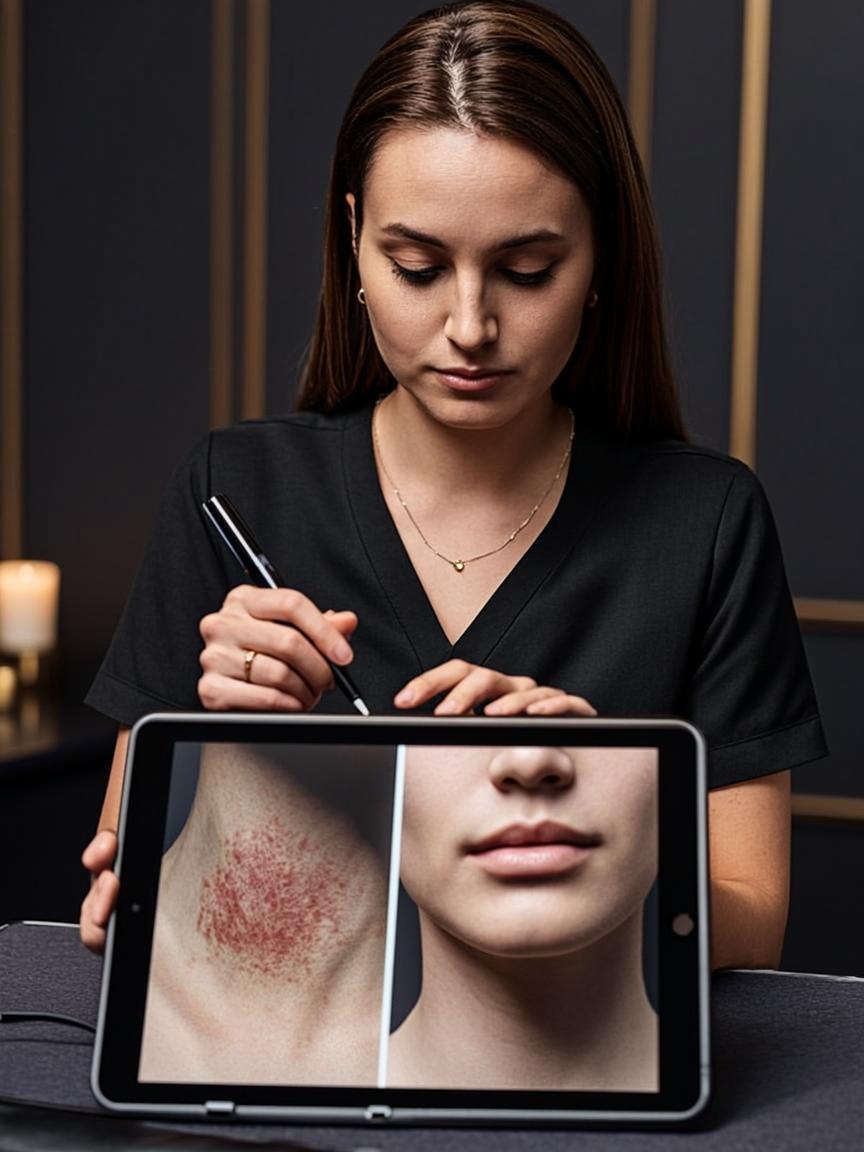
Every treatment begins with an in-depth assessment using digital skin imaging. We analyze ink depth, color composition, scar tissue presence, and your unique skin biology to design a protocol that targets your specific tattoo with surgical precision.

Custom laser calibration and settings

Custom Laser Settings

No two tattoos are identical, and neither are our treatments. We calibrate wavelength, pulse duration, fluence, and spot size for every session — adjusting as your tattoo fades and your skin evolves. This dynamic approach maximizes ink clearance while minimizing thermal damage.

Cryogenic cooling for safe treatment

Skin-First Safety

Your skin's integrity is our top priority. We use built-in cryogenic cooling, topical numbing agents, and real-time skin monitoring to prevent burns, hyperpigmentation, and scarring. Our protocols exceed FDA safety guidelines and are refined with the latest clinical research.

Digital progress tracking documentation

Progress Tracking

We photograph and document your tattoo at every visit, maintaining a detailed progress map. This data-driven approach lets us measure clearance rates objectively, fine-tune your treatment plan, and give you realistic timelines based on actual results — not guesswork.

Why Our Approach Delivers Superior Results

At ZOE, we've spent over 15 years refining our methodology. Our expert approach is built on three pillars: advanced technology, medical-grade precision, and genuine care for every client who walks through our doors. Unlike walk-in clinics that apply a one-size-fits-all setting, we treat every tattoo as a unique challenge that demands a unique solution.

Our dual-wavelength laser system allows us to switch between 755nm Alexandrite and 1064nm Nd:YAG wavelengths within a single session, targeting different ink colors at different depths without requiring you to come back for separate appointments. This means faster clearance, fewer total sessions, and lower overall cost compared to single-wavelength clinics.

Furthermore, our practitioners undergo continuous education and attend annual dermatological conferences to stay current with the latest advances in laser science. We collaborate with dermatologists and plastic surgeons on complex cases, ensuring that even the most challenging tattoos — including traumatic tattoos, cosmetic tattoos, and previously failed removals — receive the highest standard of care.

Board-certified specialists
Dual-wavelength per session
Digital progress tracking
Continuous education program
Cryogenic cooling system
Collaboration with dermatologists
Expert laser tattoo removal treatment
Dual-Wavelength
755nm + 1064nm

Tattoo art and culture
5,000+ Years
Of Tattoo Heritage

The Art & Culture of Tattoos

Tattoos are one of humanity's oldest and most universal forms of self-expression. From the frozen mummy of Otzi the Iceman — who bore 61 tattoos over 5,000 years ago — to the intricate full-body suits of Japanese Yakuza, tattooing has served as a powerful language of identity, belonging, spirituality, and rebellion across virtually every civilization on Earth.

In Polynesian cultures, tattoos are sacred rites of passage that map a person's genealogy, social standing, and spiritual journey onto their skin. The Maori moko is so deeply personal that it is considered as unique as a fingerprint — a visual autobiography that tells the story of who you are and where you come from. In Thailand, the sak yant tradition blends Buddhist prayer with animist magic, creating protective talismans that are believed to grant the wearer strength, luck, and invulnerability.

The modern Western tattoo renaissance began with sailors who brought the art form back from Pacific voyages in the 18th century. By the 20th century, tattooing had become intertwined with counterculture — adopted by bikers, punks, and military personnel as symbols of defiance and brotherhood. Today, tattoos have transcended their rebellious roots to become mainstream, with over 30% of Americans sporting at least one piece of ink. Whether it is a memorial tribute, a work of fine art, or a spontaneous expression of individuality, a tattoo is a commitment — one that sometimes changes, just as we do.

Global Tradition
Practiced across all cultures
Personal Meaning
Identity, memory, art
Living Art
Skin as a canvas
Evolving Choices
Removal is always an option

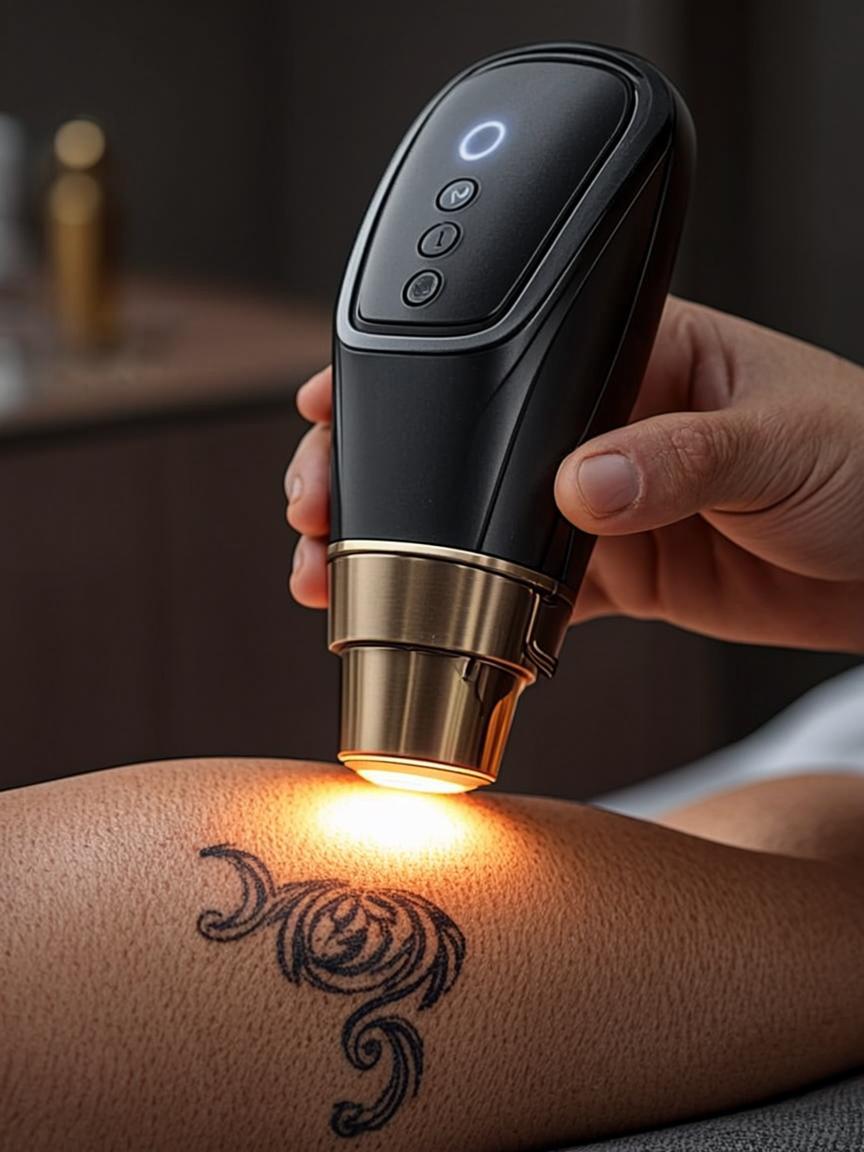
Understanding Tattoos & How They Respond to Removal

Not all tattoos are created equal. The style, ink type, depth, and age of your tattoo all play a crucial role in how quickly and completely it can be removed. Understanding your tattoo is the first step to effective removal.

Popular Tattoo Styles

Tattoo artistry spans dozens of distinct styles, each with its own technique, ink density, and visual language. From the bold saturated lines of Traditional American tattoos to the delicate whisper-thin strokes of Fineline work, the style of your tattoo directly impacts how it responds to laser removal.

Traditional Old School tattoo style

Traditional / Old School

Characterized by bold black outlines, a limited color palette of primary colors, and iconic imagery like anchors, roses, and eagles. The deep ink density makes black outlines respond well to 1064nm laser treatment, while saturated reds and yellows require wavelength-specific settings.

Realism tattoo style

Realism

Photorealistic tattoos use layered shading, gradient transitions, and a wide spectrum of colors. Ink is deposited at varying depths for smooth tonal transitions, meaning some areas fade faster while deeper shadow regions hold pigment longer. Requires a multi-wavelength approach across several sessions.

Watercolor tattoo style

Watercolor

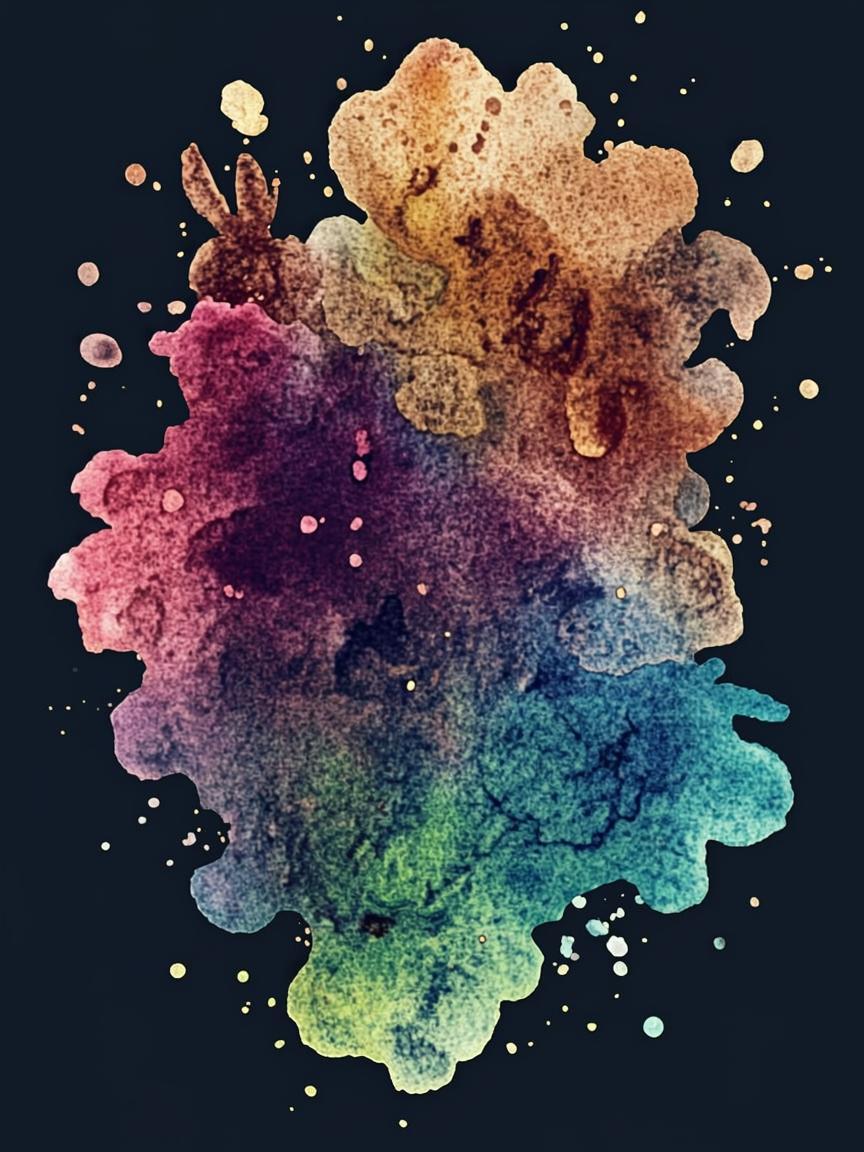
Soft color washes, minimal outlines, and delicate gradients that appear to bleed into the skin. While the ink appears lighter, pigment is actually spread across a broader and more irregular area, making complete clearance challenging. Lighter pastel shades are more resistant to laser energy.

Tribal and Blackwork tattoo style

Tribal & Blackwork

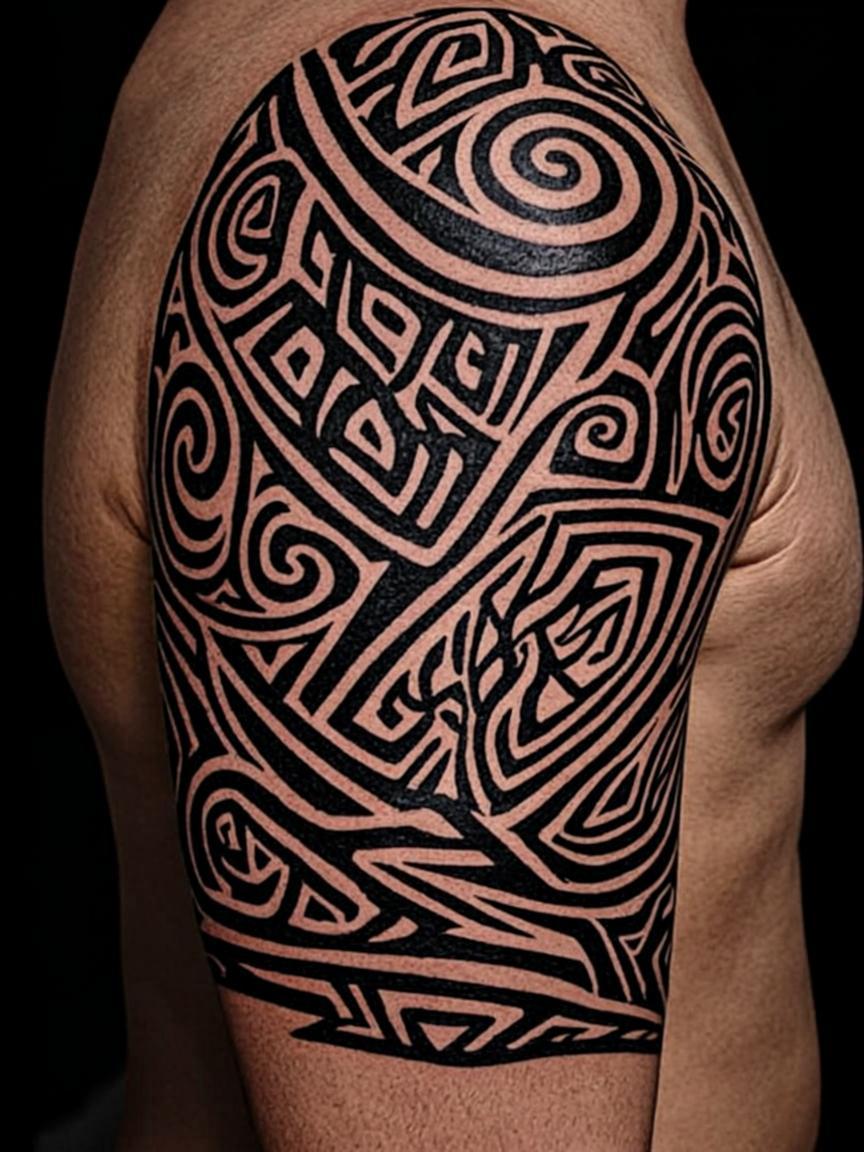
Bold, solid black patterns inspired by Polynesian, Maori, and indigenous art. The highest concentration of carbon-based black ink absorbs all laser wavelengths efficiently and shatters readily. However, the sheer volume of ink means multiple sessions are needed for complete clearance.

Japanese Irezumi tattoo style

Japanese / Irezumi

Large-scale compositions featuring koi fish, dragons, and cherry blossoms. Heavily saturated colors layered over strong black outlines. Each color requires a specific wavelength, and the layered technique means ink at different depths must be addressed progressively across multiple sessions.

Fineline Dotwork Geometric tattoo style

Fineline, Dotwork & Geometric

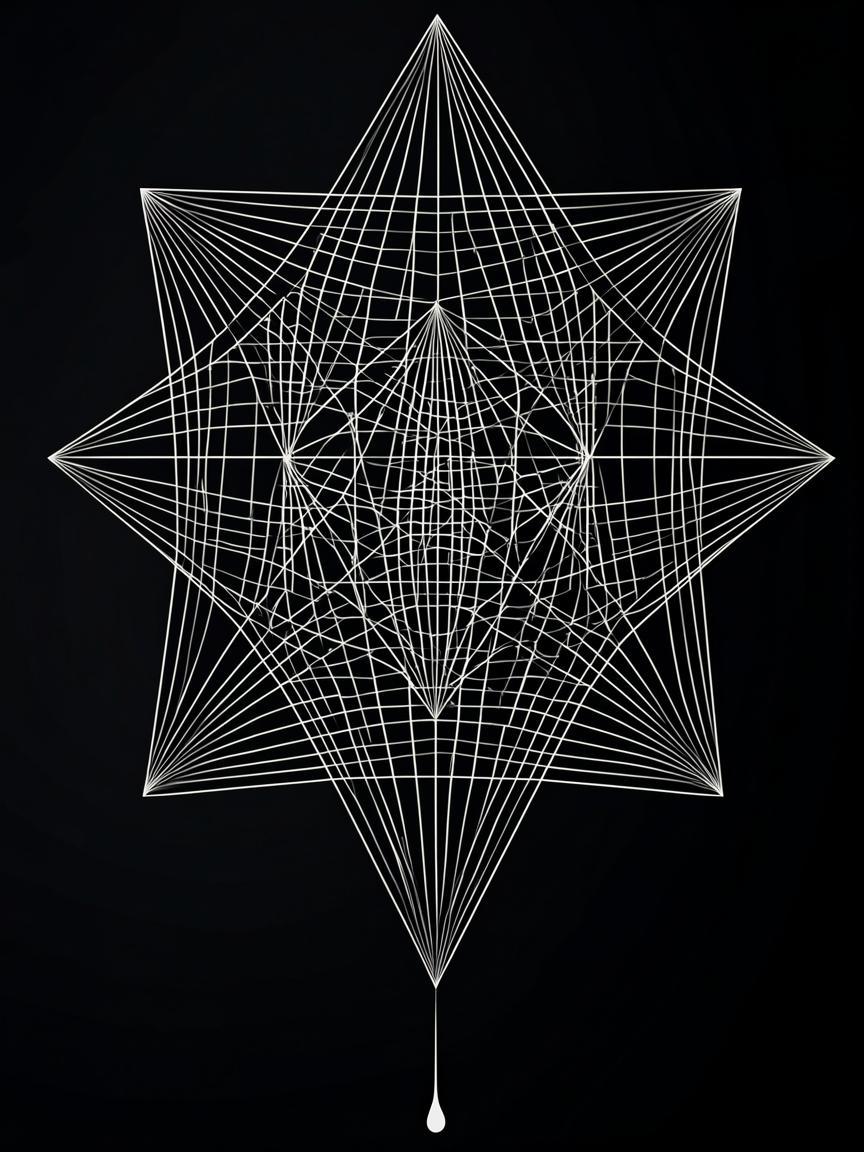
Ultra-thin needles create impossibly delicate designs with significantly less ink than traditional styles. Fine ink particles shatter quickly under laser energy, often showing noticeable fading after just one or two sessions. Complete clearance still requires careful treatment.

Ink Types & Colors

Tattoo ink is far more complex than most people realize. Professional inks are composed of pigments suspended in a carrier solution, and the chemical composition of those pigments determines everything about how the ink interacts with laser energy. Carbon-based black pigments absorb nearly all wavelengths of light and fragment efficiently, while organic color pigments are selective about which wavelengths they absorb — making some colors stubbornly resistant to certain lasers. Metallic and fluorescent inks introduce entirely different challenges, as their reflective properties can scatter laser energy rather than absorbing it. Knowing exactly what's in your tattoo allows us to select the right wavelength and treatment protocol from day one.

Black & Carbon-Based Ink

Black ink is by far the most common tattoo pigment and the easiest to remove with laser treatment. Made primarily from carbon-based pigments such as iron oxide or carbon black, it absorbs virtually every wavelength of laser light — from 532nm to 1064nm — which means it fragments efficiently under both Q-switched and picosecond devices. Most black tattoos show visible fading after just one or two sessions, with complete clearance typically achievable in five to eight treatments depending on density and depth.

Responds to all laser wavelengths
Fastes color to fade — 5–8 sessions avg
Best candidate for PicoSure treatment

Red & Warm Colors

Red, orange, and yellow inks are formulated with organic pigments like azo dyes, cadmium compounds, and quinacridone. Red ink absorbs the 532nm wavelength (frequency-doubled Nd:YAG) very effectively and is generally the second-easiest color to remove after black. However, red pigments are also the most common culprits for allergic reactions during removal, as the laser can break the azo bonds and release potentially irritating compounds. Orange and yellow inks respond similarly but may require more sessions due to their lighter pigment load and slightly different absorption spectra.

532nm wavelength — highly effective
Red fades in 6–10 sessions avg
Watch for allergic reactions

Blue & Green Inks

Blue and green inks are widely considered the most challenging colors to remove from skin. These pigments — often based on copper phthalocyanine, chromium oxide, or cobalt aluminate — require the 694nm Ruby laser or 755nm Alexandrite wavelength for effective absorption. Standard 1064nm and 532nm lasers pass right through blue and green pigments with minimal effect. Even with the correct wavelength, these colors are notoriously stubborn and may require twelve or more sessions for significant fading, with complete clearance sometimes being unrealistic depending on the ink's chemical composition.

Requires 694nm or 755nm wavelength
Most resistant colors — 10–15+ sessions
Complete clearance may be difficult

White & Pastel Inks

White ink tattoos and pastel-shaded areas present a unique and often frustrating challenge for laser removal. White pigment is typically made from titanium dioxide, which has the counterintuitive property of darkening when exposed to laser energy — the heat causes a chemical reduction that turns the white pigment dark gray or black. This darkening effect is often permanent and can actually make the tattoo more visible after treatment. Pastel inks, which contain white mixed with small amounts of color pigment, can experience the same darkening reaction, requiring a careful test spot approach before committing to full treatment.

May darken under laser — TiO2 reduction
Always test a small spot first
Darkened ink can then be treated as black

UV & Fluorescent Inks

UV-reactive and fluorescent tattoo inks are formulated with phosphorescent compounds that glow under blacklight. These inks are among the most unpredictable when it comes to laser removal because their chemical composition varies widely between manufacturers and is often proprietary. Some UV inks respond reasonably well to standard laser wavelengths, while others contain pigments that are highly resistant to fragmentation or that may produce unexpected chemical reactions when heated. The lack of standardized formulations means each UV tattoo requires a careful, conservative approach with test patches to evaluate how the ink will respond before proceeding with full treatment.

Highly unpredictable response
Composition varies by manufacturer
Test patches essential before full treatment

Metallic Inks

Metallic tattoo inks contain reflective particles — typically aluminum, bronze, or copper flakes — that give the tattoo a shimmering, foil-like appearance. These metallic particles reflect laser energy rather than absorbing it, which dramatically reduces the laser's effectiveness and can even pose a safety risk as reflected energy may damage surrounding tissue. In some cases, the metallic particles can heat unevenly and cause localized burns or scarring. Removing metallic ink tattoos requires significantly lower energy settings, more sessions, and extreme caution, and in some cases, surgical excision may be a more practical option for small metallic tattoos.

Reflects laser energy — resists treatment
Risk of uneven heating and scarring
Surgical excision may be preferable

How Different Tattoo Categories Respond to Removal

Beyond style and ink color, the category of your tattoo — whether it was applied by a professional artist in a studio, done at home with a stick-and-poke method, or resulted from an accident — has a profound impact on removal outcomes. Professional tattoos are applied with precision machinery that deposits ink at consistent depths in the dermis, creating a uniform target for laser energy. Amateur tattoos, by contrast, often have uneven ink distribution with some areas deposited too shallowly and others too deeply. Cosmetic tattoos use entirely different pigment formulations designed to mimic makeup, and traumatic tattoos from accidents embed foreign debris rather than ink. Each category demands a tailored approach with different expectations for treatment duration and final results.

Professional vs. Amateur Tattoos

Professional tattoos are applied with tattoo machines that deposit ink at a consistent depth of 1–2 millimeters into the dermis, creating dense, uniform saturation. This consistency actually makes them easier to target with laser energy, but the high ink density means more sessions are needed to clear the greater volume of pigment — typically six to twelve treatments. Amateur or stick-and-poke tattoos, on the other hand, use hand-held needles that deposit ink at irregular depths with inconsistent density. While this uneven application means less total ink to remove, the irregular depth distribution can leave stubborn pockets of pigment that resist treatment. Amateur black ink also tends to fade faster overall because less ink is deposited, with many showing significant clearance in just three to five sessions.

Professional: 6–12 sessions (dense, uniform ink)
Amateur: 3–5 sessions (less ink, uneven depth)
Amateur may have stubborn deep pockets

Cosmetic & Permanent Makeup Tattoos

Cosmetic tattoos — including microbladed eyebrows, permanent eyeliner, and lip blush — use iron oxide-based pigments rather than traditional carbon or organic tattoo inks. These pigments are specifically formulated to mimic natural skin tones, which means they're designed to look like flesh, not like bold artwork. Unfortunately, iron oxide pigments can oxidize and darken when exposed to laser energy, turning from a soft brown to an unflattering dark gray or black. This darkening reaction is similar to what happens with white titanium dioxide ink and requires a test patch before full treatment. Once darkened, the oxidized pigment can then be treated as black ink, but this adds extra sessions to the process. Permanent eyeliner requires extreme precision and should only be treated by highly experienced practitioners due to the proximity to the eye.

Iron oxide may oxidize and darken under laser
Test patch mandatory before full treatment
Eyeliner removal requires specialist expertise

Traumatic Tattoos

Traumatic tattoos occur when foreign material — asphalt, gravel, gunpowder, dirt, or metal fragments — becomes embedded in the skin during an accident or injury. Unlike cosmetic tattoo ink, these debris particles are not designed to be in the body and often consist of materials that respond very differently to laser energy. Some materials, like carbon-based debris from road accidents, may respond similarly to black ink and fade readily. Others, like metallic fragments or chemical compounds, may be resistant to laser treatment or even pose safety hazards when heated. A thorough evaluation is essential before treating traumatic tattoos, as embedded glass or metal shards may need to be surgically removed first to prevent complications during laser treatment.

Debris composition varies — unpredictable
Carbon debris responds like black ink
Glass or metal may require surgical removal first

Cover-Up & Layered Tattoos

Cover-up tattoos are among the most challenging to remove because they contain multiple layers of ink — the original tattoo underneath, plus the new design applied over it to conceal the old one. The covering artist typically packs extra ink density and uses darker colors to hide the existing tattoo, resulting in a double or even triple layer of pigment at varying depths. When laser energy is applied, it must penetrate through the top layer to reach the original ink beneath, and each layer fragments at a different rate. This layered structure often means cover-up tattoos require significantly more sessions — sometimes fifteen or more — and complete clearance of all layers can be difficult to achieve. We typically recommend a staged approach, treating the surface layers first and progressively targeting deeper ink as the upper layers clear.

Multiple ink layers — most complex to treat
Often 12–18+ sessions for significant fading
Staged approach: surface layers first, then deeper

How Age Affects Removal

The age of your tattoo is one of the most significant factors influencing removal speed and success. Older tattoos — those five years or more — have already undergone natural fading as your immune system slowly breaks down and carries away ink particles over time. This means there is less total pigment to remove, and the remaining ink has often fragmented into smaller particles that are easier for laser energy to shatter into clearance-sized fragments. Newer tattoos, particularly those less than a year old, contain dense, freshly deposited ink that has not yet begun to degrade naturally. These tattoos typically require more sessions because the body has not had time to start the clearance process on its own. A tattoo that is ten years old may clear in half the number of sessions compared to an identical tattoo that is only six months old.

How Depth Affects Removal

Ink depth is equally critical in determining removal outcomes. Tattoo needles are designed to deposit pigment in the dermis layer, approximately 1 to 2 millimeters beneath the skin surface. However, the actual depth can vary significantly depending on the artist's technique, the type of needle used, and the body location — areas with thinner skin like the wrists and ankles tend to have shallower ink placement than fleshier areas like the upper arms or thighs. Shallow ink is easier for laser energy to reach and fragment, typically resulting in faster clearance. Deeply deposited ink, or ink that has migrated deeper over time, may sit beyond the effective penetration depth of certain laser wavelengths, requiring higher energy settings and more sessions. In some cases, very deep ink may never fully clear if it resides below the laser's reach, leaving a faint ghost image even after extensive treatment.


Expert Removal for Every Type of Tattoo

At ZOE Studio, we specialize in removing all types of tattoos — no matter the style, color, size, or age. Our advanced dual-wavelength laser system and customized treatment protocols allow us to tackle everything from simple black outlines to complex multi-layered cover-ups with precision and care.

Whether you have a small fineline design on your wrist or a full Japanese sleeve on your back, our board-certified specialists have the experience and technology to create a treatment plan that delivers the best possible results for your unique tattoo. We treat every piece with the same dedication, understanding that behind every tattoo is a personal story and a new chapter waiting to begin.

Book Free Consultation
ZOE tattoo removal services
All Tattoo Types
One Studio, Every Solution
Traditional tattoo removal
Popular

Traditional & Old School

Bold outlines, primary colors, and iconic imagery. Black ink responds best to laser — most traditional pieces show significant fading in 5-8 sessions.

Black Outlines Primary Colors 5–8 Sessions
Tribal Blackwork tattoo removal
Specialist

Tribal & Blackwork

Dense solid black ink absorbs all wavelengths efficiently. The sheer volume requires more sessions, but each treatment produces visible progress.

Solid Black High Density 8–15 Sessions
Japanese Irezumi tattoo removal
Complex

Japanese / Irezumi

Large-scale multi-color designs need our full multi-wavelength approach. We treat each color layer systematically for optimal clearance.

Multi-Color Large Area 10–18 Sessions
Watercolor tattoo removal
Tricky

Watercolor & Pastel

Diffuse pigment distribution and light pastel shades require careful calibration. We use precise settings to target scattered ink particles.

Pastel Shades Diffuse Ink 6–12 Sessions
Realism portrait tattoo removal

Realism & Portraits

Layered shading and varied ink depths demand a nuanced, multi-wavelength treatment strategy with progressive session adjustments.

Multi-Depth Gradient Shading 8–14 Sessions
Fineline tattoo removal

Fineline & Geometric

Less ink means faster results — many fineline tattoos show noticeable fading after just 1-2 sessions. Precision treatment for delicate designs.

Minimal Ink Fast Fading 3–6 Sessions
Script lettering tattoo removal

Script & Lettering

Cursive names, quotes, and lettering in black ink are among the most commonly removed. Clean, uniform lines respond predictably to laser treatment.

Black Ink Uniform Depth 4–8 Sessions
Cosmetic and permanent makeup removal
Delicate

Cosmetic & Microblading

Iron oxide pigments can darken under laser. We use test patches and specialized wavelengths for safe removal of eyebrows, eyeliner, and lip blush.

Test Patch First Facial Skin 6–10 Sessions

Tattoo Removal Insights & Updates

Stay informed with the latest developments, research breakthroughs, and industry trends in laser tattoo removal technology.

PicoSure Pro announcement
Technology
May 28, 2026 5 min read

PicoSure Pro Launches with 40% Faster Ink Clearance Rate

Cynosure's latest PicoSure Pro device has received FDA clearance, boasting a 40% improvement in ink fragmentation speed compared to the previous generation. The new PressureWave technology delivers energy more efficiently, meaning patients can expect visibly significant fading in fewer sessions. ZOE Studio is among the first clinics in Los Angeles to adopt this breakthrough device.

Read More
AI-assisted tattoo removal
Research
May 12, 2026 7 min read

AI-Assisted Skin Analysis Now Predicts Removal Outcomes with 92% Accuracy

A groundbreaking study published in the Journal of Dermatological Science reveals that artificial intelligence algorithms can now predict tattoo removal outcomes with 92% accuracy. By analyzing factors like ink composition, skin type, and tattoo age, AI models help practitioners set realistic patient expectations and optimize treatment parameters from day one.

Read More
Tattoo removal industry trends
Industry
April 30, 2026 4 min read

Tattoo Removal Industry Sees 35% Growth as Laser Technology Becomes More Accessible

The American Society for Dermatologic Surgery reports a 35% year-over-year increase in laser tattoo removal procedures across the United States. Experts attribute this surge to improved technology that makes treatments faster, less painful, and more affordable. The average cost per session has dropped 20% in the last five years while efficacy rates have climbed.

Read More
New cooling technology
Innovation
April 15, 2026 6 min read

Next-Gen Cryo-Cooling Systems Reduce Treatment Discomfort by Up to 70%

Zimmer MedizinSysteme's new Cryo 7 device uses advanced cold air technology to numb the skin surface during laser treatments, reducing perceived pain by up to 70% compared to traditional cooling gels. This breakthrough allows practitioners to use higher energy settings safely, resulting in more effective ink shattering per session and shorter overall treatment timelines.

Read More
Tattoo regret statistics
Statistics
March 22, 2026 3 min read

Survey: 1 in 4 Tattooed Americans Now Considering Removal, Up from 1 in 6

A new Pew Research survey shows that 25% of tattooed Americans are now considering removal — a significant increase from 17% just three years ago. The top reasons cited include career advancement concerns, changed personal taste, and the desire for newer, different artwork. The data underscores the growing cultural acceptance of tattoo removal as a routine cosmetic procedure.

Read More
Cosmetic tattoo removal
Health
March 5, 2026 5 min read

FDA Issues New Safety Guidelines for Cosmetic Tattoo Removal on Facial Skin

The FDA has released updated safety guidelines specifically addressing the removal of cosmetic tattoos, including permanent makeup on eyebrows, lips, and eyeliner. The new recommendations emphasize lower energy settings, mandatory patch testing, and the use of specific wavelengths to prevent paradoxical darkening of iron oxide pigments commonly found in cosmetic inks.

Read More

Begin Your Journey to Clear Skin

Book a free consultation today and let our experts create a personalized treatment plan just for you.

Book Free Consultation
Chat with us on WhatsApp